
Perspective on Traditional Market Model – Part 1: The fish market in Busan
When tourists visit any destination, they often want to learn about the local culture, history, standard of living, and customs. Traditional markets are an interesting place to explore the local culinary culture, eating habits, income levels, and specialties.
During my trip to South Korea in November 2016, as a tourist, I was very excited to visit the Busan Fish Market. So, what did I discover when I visited this market in Korea?
The Busan Fish Market Building
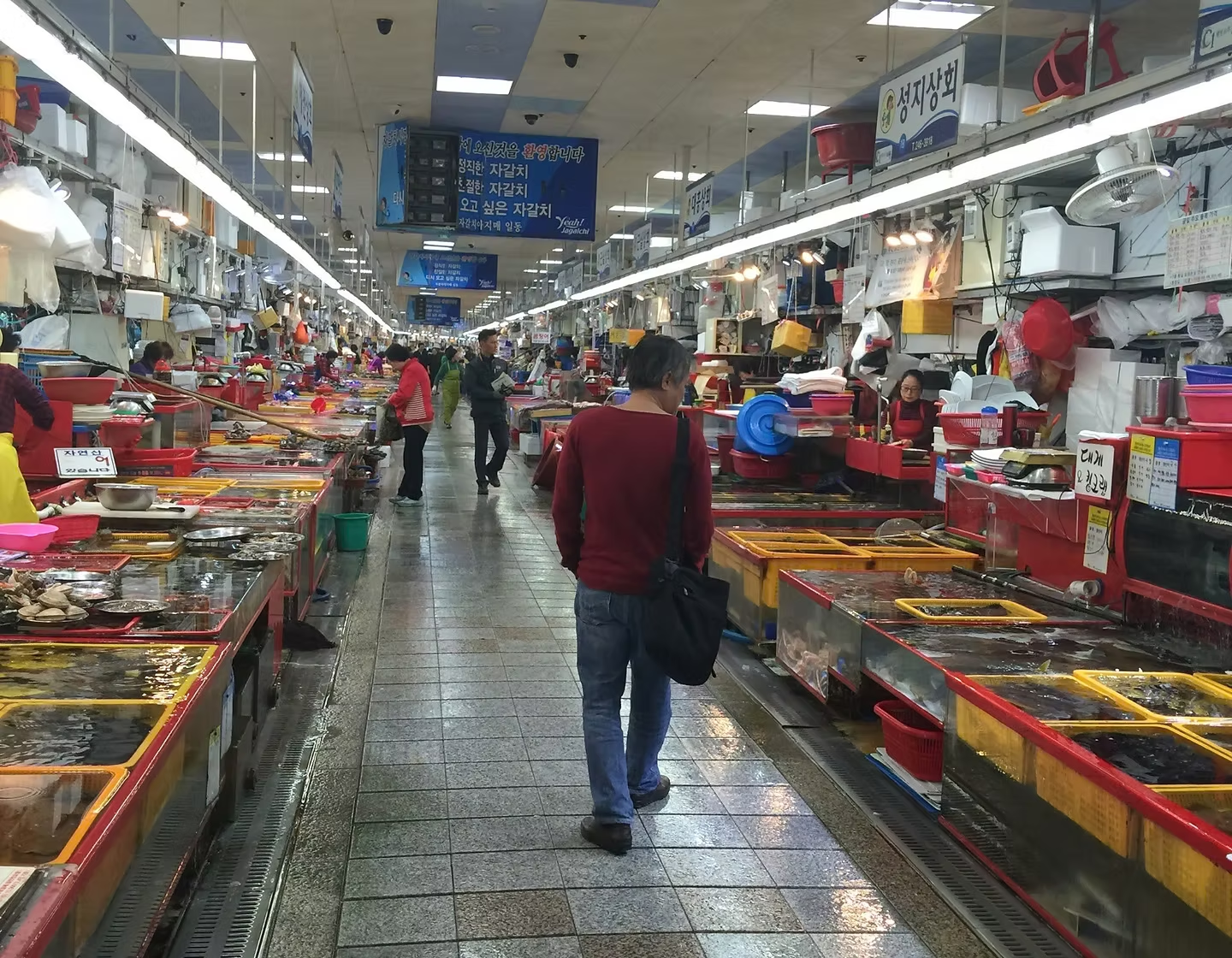
The market occupies a three-story building with two main commercial areas. It features a wide range of product categories thoughtfully organized by type: live fish kept in aerated saltwater and freshwater tanks, fresh chilled fish on ice, frozen fillets and whole fish, dried seafood such as squid and shrimp, and fermented or preserved varieties.
Everything is sold in conditions that ensure food safety and hygiene — there are no flies, no unpleasant odors. On-site food preparation is available, allowing visitors to enjoy freshly cooked seafood moments after purchasing. The contrast with many Asian wet markets — including those in Vietnam — is immediately apparent.
Fresh Seafood Stalls
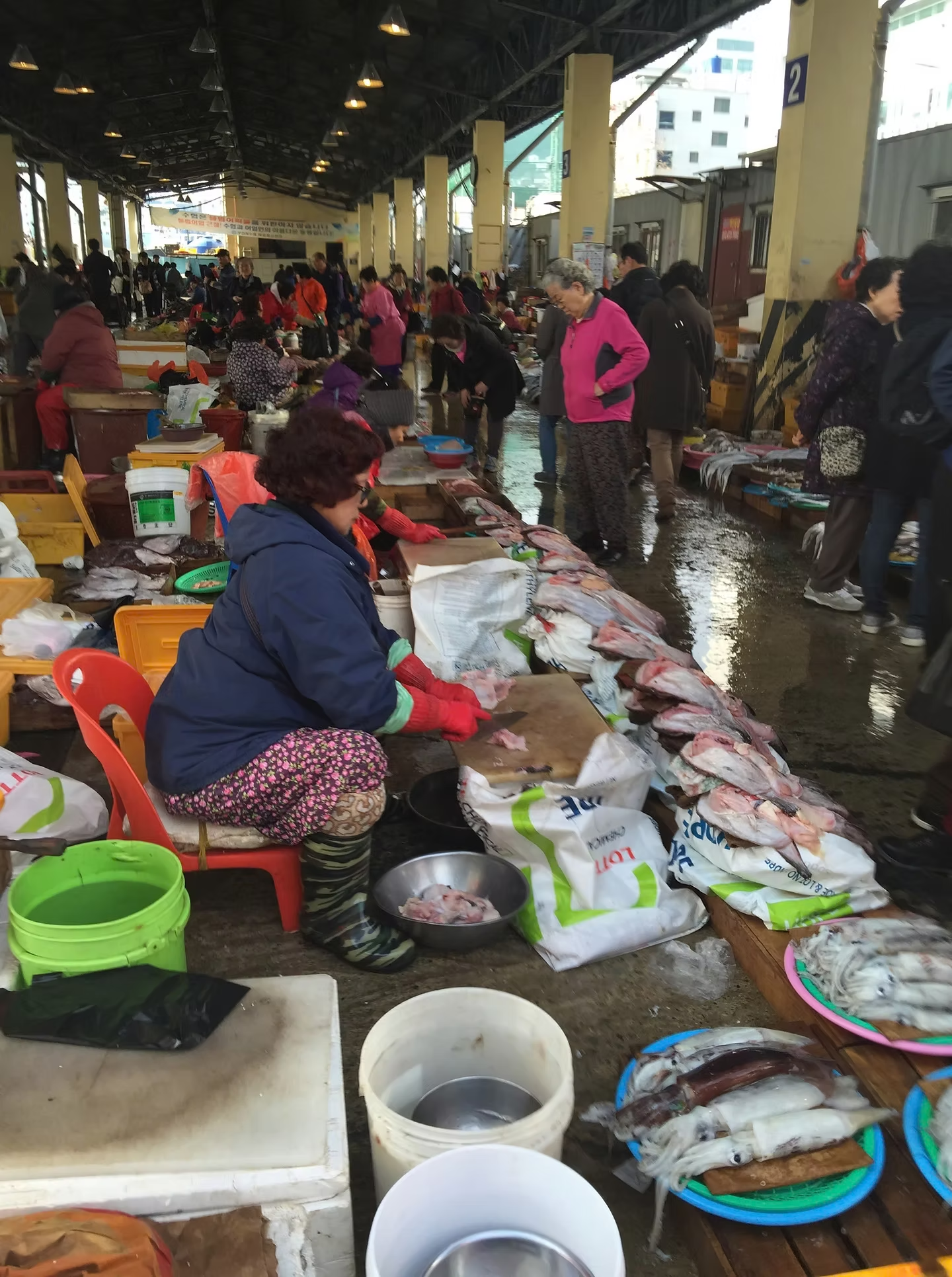
The target audience for Busan's fish market includes seafood enthusiasts seeking fresh products at reasonable prices. The display setups use simple wooden chairs and tables with plastic covers — mirroring the aesthetic of Vietnamese markets in style, but maintained with markedly superior sanitation standards.
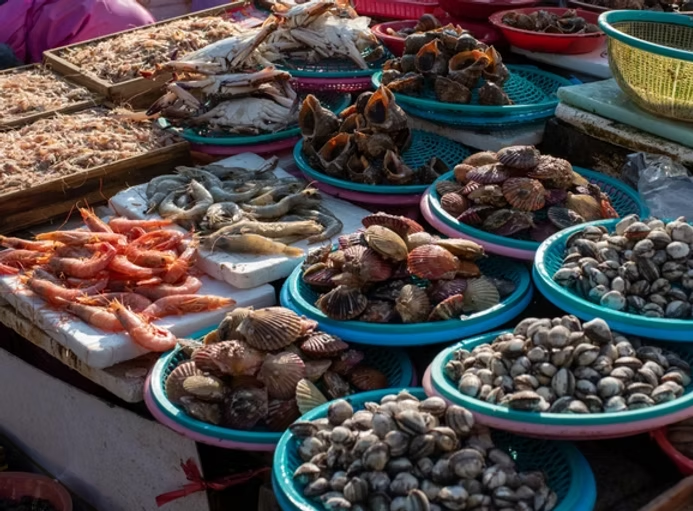
Offerings span a broad range of premium and everyday seafood: cone shells, oysters, mackerel, lobsters, crabs, and more. Prices are competitive for a world-class market, particularly for cold-water species that are plentiful in Korean waters. Vendors are knowledgeable, organized, and take visible pride in the presentation of their stalls.
What Vietnam Can Learn
Cold-climate seafood like lobsters and crabs are more affordable in Busan than in Vietnam, while tropical fruits command premium prices there — a vivid illustration of how geography and supply chains shape what traditional markets can offer. Each market, in a sense, reflects the abundance of its surrounding environment.
Vietnamese traditional fish markets could adopt similar models: invest in permanent, well-ventilated structures, enforce hygiene standards through consistent policy, and cultivate a pleasant buying experience that attracts rather than deters customers. The Busan model shows that a traditional market can be both affordable and world-class — the two qualities need not be mutually exclusive.
The lesson is not about copying Korea, but about recognizing that basic infrastructure investment, consistent cleanliness, and organized commerce can transform a local fish market from a necessary inconvenience into a genuine cultural landmark.