
Perspective on Traditional Market Model – Part 3: Shopping at market or supermarket
Depending on What Item Is Being Purchased
The question of whether Vietnamese consumers prefer traditional markets or modern supermarkets is not a simple one. Surveys conducted at rural markets like Vinh Luong and Duc My show a nuanced picture: people prefer larger city-center markets for high-value goods like clothing and electronics, while sticking to local markets for daily fresh food. The two channels are not competitors so much as complements — each serving a distinct need.
The choice of where to shop depends heavily on the type of product. For fresh vegetables, seafood, and meat bought daily, the traditional market wins on price, freshness, and familiarity. For packaged goods, electronics, or fashion, supermarkets and malls offer a controlled environment, standardized pricing, and return policies that informal markets cannot match.
Shopping also serves purposes beyond necessity — it is a leisure activity enjoyed with family or friends. Residents of Ninh Sim Commune, for instance, favor Dinh Market in Ninh Hoa for holiday shopping trips, treating the excursion as a social outing. Nha Trang residents sometimes travel to Ho Chi Minh City specifically to shop at Ben Thanh or An Dong Markets — a practice that underscores how markets can function as destinations, not just utilities.
Depending on Who Goes to the Market
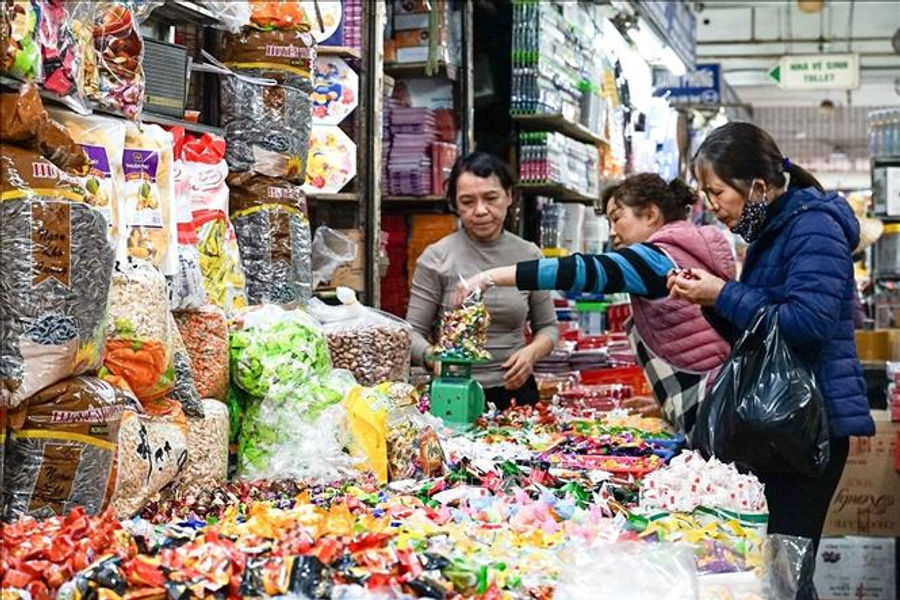
When shopping for food, it is usually housewives who head to traditional markets — drawn by the ability to negotiate prices, select individual items by sight, and maintain long-standing relationships with trusted vendors. For fashion and electronics, it is mostly the younger generation who seek out malls or online platforms, prioritizing convenience, variety, and the social experience of modern retail.
Tier-2 markets in Khánh Hòa receive approximately 1,000–1,200 visitors daily, 365 days a year, with each visit lasting about 45 minutes — a significant social and commercial footprint that any city planner or investor should take seriously. These are not declining institutions; they are steady anchors of daily life.
What Would Make Markets More Attractive
Infrastructure recommendations from field research include: improved drainage systems to eliminate standing water and odor; better-ventilated roofing to reduce heat and humidity; clean restroom facilities — currently absent or unusable in most tier-2 markets; and well-lit stalls that make produce look appealing rather than institutional.
These improvements do not require the luxury of shopping malls — just the basic dignity of a well-maintained public space. Achieving this would keep traditional markets competitive and relevant for decades to come, preserving their role as the backbone of daily food distribution in Vietnamese communities.